
Ketamine
What is Ketamine Nasal Spray Used For
Feb
What is Ketamine Nasal Spray Used For
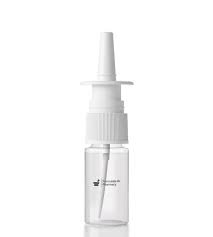
What is Ketamine Nasal Spray Used For, Ketamine nasal spray has emerged as a major advancement in contemporary medicine, especially in the area of mental health. Ketamine was first created as an anesthetic in the 1960s, but it has subsequently been used for a number of medicinal purposes. Today, Spravato® (esketamine), the FDA-approved form of ketamine nasal spray, is given for certain disorders under close physician care. Let’s examine the purposes of ketamine nasal spray and the reasons behind its popularity.
What is Ketamine Nasal Spray Used For | Primary Use: Treatment-Resistant Depression
Treatment-resistant depression (TRD) is the most well-known and FDA-approved usage of ketamine nasal spray. Patients who have not reacted to at least two different oral antidepressants are referred to in this way. Ketamine nasal spray provides a fresh avenue for alleviation for these people. Ketamine nasal spray can start reducing symptoms in as little as a few hours, in contrast to weeks for standard antidepressants. This quick response is especially helpful for individuals who are having severe depression episodes or are contemplating suicide.
What is Ketamine Nasal Spray Used For | Other Mental Health Applications
Ketamine nasal spray is being researched and occasionally used off-label for mental health problems other than TRD:
- Anxiety disorders: Following treatment, some individuals report feeling less anxious.
- Ketamine may help lessen intrusive thoughts and mental suffering in people with post-traumatic stress disorder (PTSD), according to a preliminary study.
- Bipolar depression: Ketamine nasal spray has demonstrated potential in reducing the depressive symptoms linked to bipolar illness in specific situations.
Pain Control
It has long been known that ketamine provides analgesic effects. Although the main purpose of nasal spray formulations is mental health, some professionals are investigating their potential for treating chronic pain issues. Patients who have not reacted to traditional painkillers may find comfort through the nasal route, which enables quick absorption.
How It Operates
The way ketamine nasal spray functions differs from that of conventional antidepressants. It affects glutamate activity in the brain by acting on the NMDA receptor rather than serotonin or norepinephrine. This process is thought to foster brain connectivity and synapse development, which could account for its capacity to quickly elevate mood and lessen depressive symptoms.
Key Takeaways
- FDA-approved use: Treatment-resistant depression
- Other potential uses: Anxiety, PTSD, bipolar depression, chronic pain
- Mechanism: Acts on NMDA receptors, enhancing brain connectivity
- Rapid relief: Effects can be felt within hours, unlike traditional antidepressants
Concluding remarks
Ketamine nasal spray marks a significant change in the way we treat mental illness. It provides hope and a quicker route to relief for those who have had trouble with traditional therapy. Research on its wider potential in mental health and pain management is still underway, even though its main licensed usage is for treatment-resistant depression.
Key Distinctions Between Ketamine Nasal Spray and Infusion Therapy
Comparison Table
| Feature | Ketamine Nasal Spray | Ketamine Infusion Therapy |
|---|---|---|
| Administration | Self-administered under medical supervision | Delivered intravenously in a clinic |
| Onset of Effects | 5–15 minutes | Almost immediate |
| Duration of Acute Effects | 1–3 hours | 40 minutes to 2 hours |
| Potency | Effective, but generally less potent | Often stronger, with faster relief |
| FDA Approval | Esketamine (Spravato®) approved for TRD | IV ketamine not FDA-approved for depression (off-label use) |
| Monitoring | Patients must stay in clinic for ~2 hours | Continuous monitoring during infusion |
| Accessibility | More convenient, less invasive | Requires specialized clinic and equipment |
| Side Effects | Dissociation, dizziness, nausea | Similar side effects, sometimes more intense (e.g., hypertension, dissociation) |
| Cost | Often covered by insurance (Spravato®) | May be more expensive, often out-of-pocket |
Key Insights
- Effectiveness: According to research, IV ketamine may offer more rapid and powerful relief, with some studies showing better remission rates. Although nasal spray works well, it can take several applications to get long-term results.
- Convenience: While infusion necessitates a specific therapeutic setting, nasal spray provides greater flexibility since patients can self-administer under supervision.
- Safety: While monitoring is necessary for both approaches, infusion therapy necessitates ongoing supervision because of its more potent effects. After using nasal spray, patients are usually monitored for two hours.
- Insurance Coverage: IV ketamine is typically regarded as off-label and may not be paid, but Spravato® is FDA-approved and frequently covered by insurance.
